Dialectical Behavior Therapy
Dialectical Behavior Therapy (DBT) was originally developed by Dr. Marsha Linehan to help people struggling with intense emotions and difficult behaviors. Today, DBT is used to support individuals with a variety of concerns, including anxiety, depression, PTSD, and relationship challenges. DBT focuses on building practical skills to manage emotions, cope with stress, improve relationships, and create a more balanced, fulfilling life.
“Wisdom and freedom require the ability to allow the natural flow of emotions to come and go, experiencing emotions but not being controlled by emotions. Always having to prevent or suppress emotions is a form of being controlled by emotions.”
My approach to DBT
DBT is a foundational part of my practice. I first began incorporating DBT-informed approaches into my work during graduate school and have continued to build on that experience through additional training and clinical practice including facilitating a DBT skills group for the past 4 years. I've seen firsthand the value of these skills through my work with individual clients and DBT skills group members, as well as in my own life.
DBT offers practical tools for navigating the parts of life that aren't always straightforward. It helps people move away from all-or-nothing thinking, become more comfortable with the gray areas, and learn to handle the uncertainty and messiness that naturally come with life and relationships.
Individual Therapy
Individual DBT-informed therapy focuses on applying DBT skills to your unique experiences, challenges, and goals. Sessions help you better understand your emotions, navigate relationships, manage distress, and develop practical ways to respond to difficult situations in everyday life.
DBT Skills group
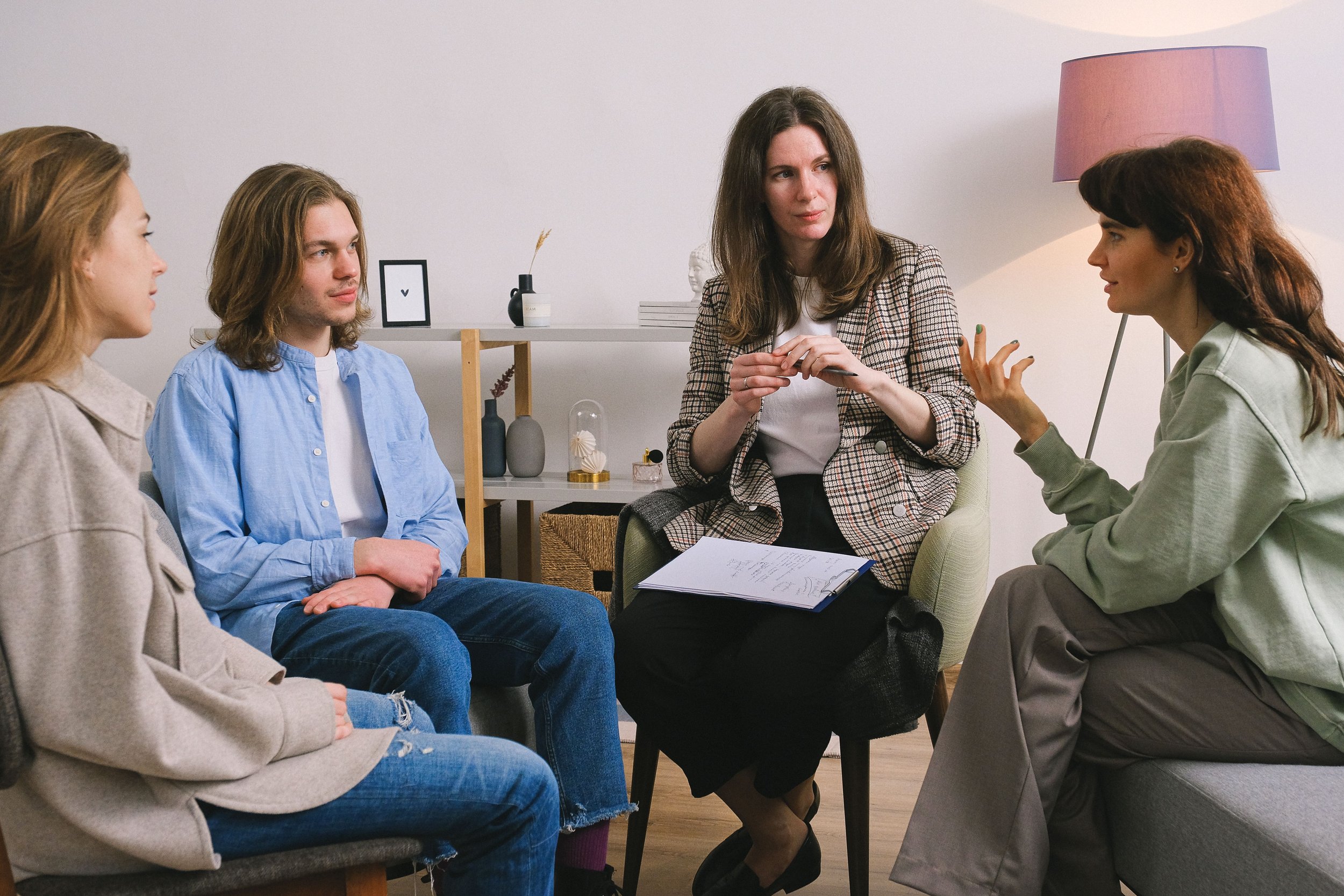
DBT skills groups offer a structured, supportive environment to learn and practice skills alongside other individuals. Groups focus on four core areas: mindfulness, distress tolerance, emotion regulation, and interpersonal effectiveness. Through discussion, activities, and real-life application, members learn tools to better manage emotions, navigate relationships, and cope with life's challenges.